Under de senaste månaderna har homeopati diskuterats livligt i Storbritannien. Anledningen till detta är att i Storbritannien kan licensierade homeopatiska behandlingar ingå i den skattefinansierade sjukvården (NHS). Bl.a. finns det i London ett helt homeopatiskt sjukhus, Royal London Homeopathic Hospital, som delvis finansieras av NHS. Men nu verkar det som att detta märkliga system är på väg att skrotas. På uppdrag av det brittiska underhuset (House of Commons) har en expertkommitté bestående av läkare och forskare utvärderat systemet med licenser för homeopatiska behandlingar och kommit fram till att inkludera homeopatiska behandlingar i NHS är oetiskt och ett missbruk av skattebetalarnas pengar. Vidare dömer man också ut hela systemet med licensierade homeopatiska behandlingar som ovetenskapligt. Läs med om detta här.

Akademisk Frihet har även rapporterat om att 30 januari i år så tog skeptiker över hela Storbritannien en överdos av homeopatiska läkemedel. Denna landsomfattande aktion genomfördes som en protest mot att den brittiska apotekskedjan Boots säljer homeopatiska preparat. Läs mer om aktionen här och mer om hur det gick kan läsas här. I samband med att frågan diskuterades i underhuset presenterade British Homeopathic Association (BHA) ett ”vetenskapligt” underlag som fick hård kritik och BHA anklagades för att förvanska studier. (Läs med om detta här).
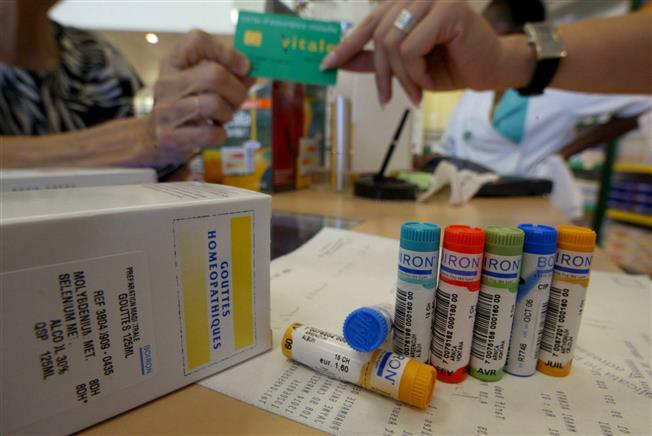
Här i Sverige har frågan inte varit lika uppmärksammad men nu verkar det tyvärr som att vi också skulle behöva en debatt om homeopati och vetenskapliga evidens. I och med privatiseringen av de svenska apoteken så kommer med all sannolikhet en förändring i sortimentet äga rum. Många har uttryckt en farhåga om att sortimentet då kan gå mot en mer oseriös riktning. Tyvärr verkar detta scenario rycka allt närmare. I senaste numret av Farmacevtisk revy har Maja Lundbäck gjort en undersökning av hur många av apotekskedjorna som kommer att sälja homeopatiska preparat om det skulle finnas en efterfrågan på sådana.
Resultatet av undersökningen är nedslående. Apotekskedjorna Apotek 1, Åhléns och Doc Morris kommer att sälja homeopatiska preparat om det skulle finnas en efterfrågan. Apoteksgruppen har ännu inte fattat beslut i frågan. ICA:s Cura och Kronans Droghandel svarar visserligen att de inte kommer att sälja preparaten men inte av anledningen att de är verkningslösa och inte kan backas upp med vetenskapliga bevis utan det skäl man för fram är att personalen saknar nödvändig kompetens. Den enda apotekskedja som tydligt säger nej till homeopatiska preparat är Vårdapoteket som driver apotek i direkt anslutning till sjukhus.
Det stora problemet med att de flesta svenska apotekskedjorna inte drar sig för ta in verkningslösa produkter i sortimentet är att dessa kommer att saluföras tillsammans med riktiga läkemedel med dokumenterat effekt. Trots att det inte finns några dokumenterade medicinska effekter av utspätt vatten så kommer det framstå som att homeopatiska preparat är ett jämförbart alternativ till läkemedel som faktiskt fungerar. I värsta fall kommer konsumenter att luras köpa verkningslösa produkter mot sjukdomar och åkommor som går att behandla på ett effektivt sätt. Detta inlägg får avslutas med Dan Larhammars talande kommentar på Vetenskaps och Folkbildnings hemsida:
”Skulle svenska bensinstationer tillåtas sälja vatten i pumparna om några kunder tyckte att det var bra för något ändamål?”
Källa: Farmacevtisk revy #3/2010 via Föreningen Vetenskap och Folkbildning
Postat i Pseudovetenskap & vidskepelse av Akademisk Frihet den 03 maj 2010