Ashwagandha Benefits & Side Effects — A Safe Home Use Guide
Ashwagandha benefits for stress and sleep, how to take it at home, common side effects, drug interactions, and when to consult your doctor first.
Read guide
Evidence-informed natural remedies using herbs, spices, and traditional Indian ingredients — always with honest guidance on what works and what doesn't.
India has one of the world's richest traditions of natural medicine. Ingredients like turmeric, ginger, neem, tulsi, ashwagandha, and aloe vera have been used for centuries — and many are now supported by modern research. Our natural remedies guides give you honest, balanced information: what the evidence says, how to use remedies safely, and when natural approaches are not enough and professional treatment is needed.
Ashwagandha benefits for stress and sleep, how to take it at home, common side effects, drug interactions, and when to consult your doctor first.
Read guideGinger benefits and safe home remedies — fresh ginger tea for nausea, colds, digestion, sore throat relief, dosage tips, and when to seek medical care.
Read guideAloe vera home uses for sunburn, minor burns, dry skin, and cuts — how to apply gel safely, what to avoid, and when you need medical treatment.
Read guideTurmeric and curcumin benefits for home care — golden milk, joint support, skin use, safe doses, and when to talk to your doctor first.
Read guideNeem benefits for skin health at home — acne, eczema, fungal irritation, neem paste and oil use, safety tips, and when to see a dermatologist.
Read guide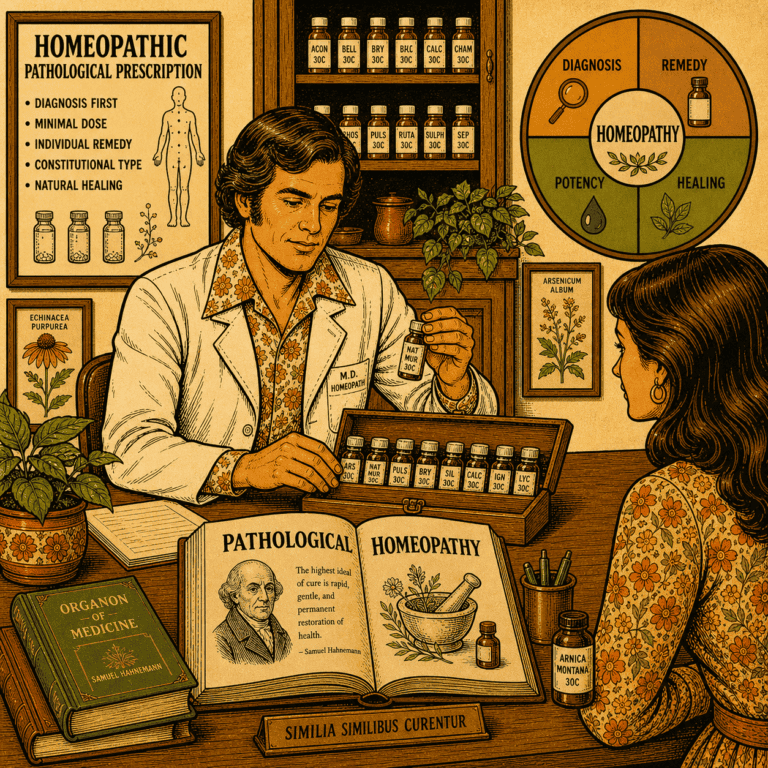
Dr Manoj has done away with the age-old practice of taking the details of the case of the patient for hours and asking a lot of unnecessary and irrelevant questions. He has developed what could be termed as ‘pathological prescription’ which means that a medical diagnosis of the case is made supported by the required investigations and then treated according to the diagnosis.This kind of approach has saved a lot of time for the patient and the doctor.
Read guide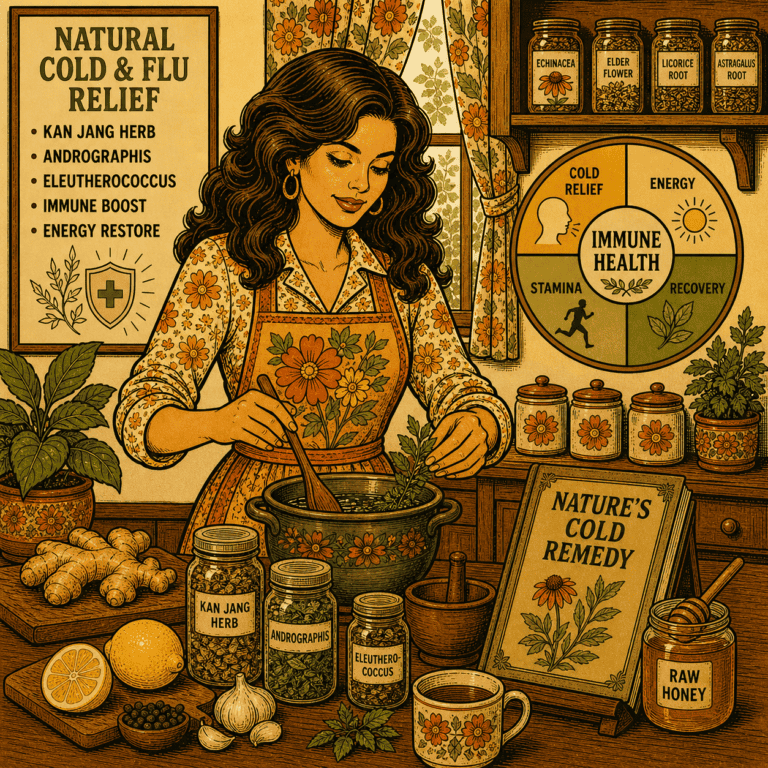
Kan Jang® has been clinically proven to reduce the symptoms of cold and cough. It increases your stamina and gives you extra energy to reduce the fatigue after a cold.
Read guide